

Are Traditional Tie-On Tourniquets Still the Best Choice for Blood Collection Procedures?
Release time:
Mar 30,2026
Successful venipuncture depends on more than just the skill of healthcare professionals. Factors such as patient comfort, vein visibility, infection control, and workflow efficiency all play important roles in blood collection and intravenous procedures. As healthcare facilities continue to improve clinical standards, many routine accessories used during venipuncture have also evolved to better support modern medical practices.
Why Is Proper Vein Access Important?
Blood collection and IV insertion are among the most frequently performed procedures in hospitals and clinics. Obtaining clear vein access helps reduce multiple puncture attempts, minimizes patient discomfort, and improves the overall experience. This is particularly important for pediatric patients, elderly individuals, and people with difficult veins.
Poor vein visibility can prolong procedures and increase stress for both healthcare providers and patients. As a result, medical professionals increasingly focus on techniques and accessories that simplify venous access while maintaining patient safety.
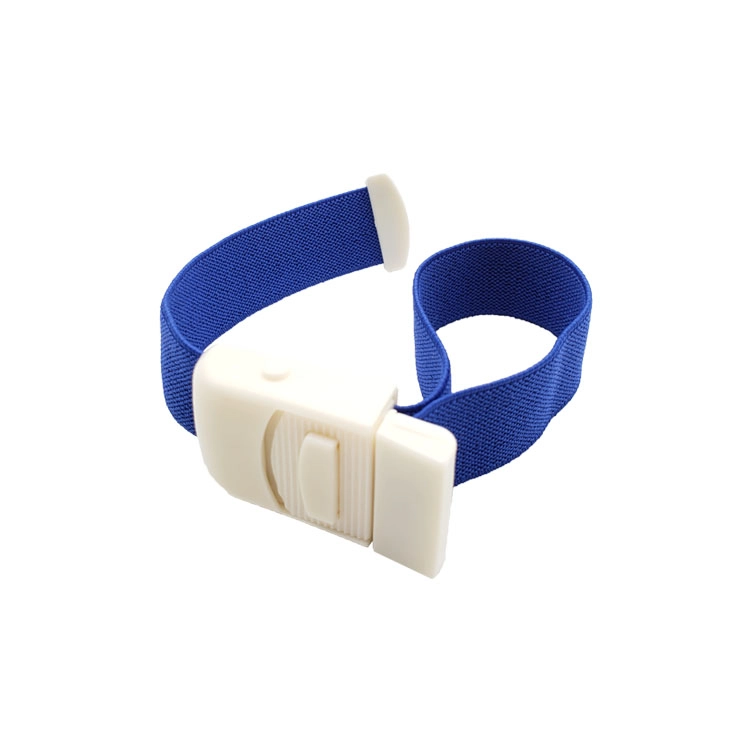
How Have Tourniquet Designs Changed Over Time?
Traditional latex or tie-on tourniquets have been used for decades. Although effective, they often require manual tying and adjustment, which may lead to inconsistent pressure or slower application in busy clinical environments.
Over time, alternative designs have become more common. Buckle type tourniquets, featuring adjustable straps and quick-release mechanisms, are now widely used in hospitals, blood donation centers, laboratories, and outpatient clinics. Their design allows healthcare workers to secure and release the tourniquet quickly while maintaining consistent pressure during venipuncture procedures.
Why Does Patient Comfort Matter During Blood Draws?
Many patients experience anxiety during blood collection procedures. Prolonged application of a tourniquet or excessive pressure may cause unnecessary discomfort and increase stress.
Modern venipuncture practices emphasize balancing effective vein dilation with patient comfort. Adjustable tourniquet systems help healthcare providers achieve adequate vein prominence without excessive constriction. Combined with proper placement and timing, these approaches contribute to a smoother and more comfortable experience.
Infection Control Remains a Priority
Healthcare-associated infections continue to be an important concern worldwide. In addition to needles and collection devices, reusable accessories must also meet hygiene standards.
Many healthcare facilities have introduced cleaning protocols for reusable tourniquets, while others prefer disposable options to reduce the possibility of cross-contamination. Material selection, surface durability, and ease of cleaning have become increasingly important considerations when choosing accessories used in routine blood collection.
Why Efficiency Matters in Busy Clinical Settings
Emergency rooms, laboratories, and outpatient clinics often perform dozens or even hundreds of venipuncture procedures every day. Small improvements in workflow can have a significant impact on overall efficiency.
Accessories that simplify application and removal help reduce procedure time and improve consistency between healthcare workers. This is one reason why buckle type tourniquets have become increasingly popular in environments where speed and reliability are essential.
The Growing Demand for Latex-Free Solutions
Latex allergies have led many healthcare institutions to adopt latex-free medical products whenever possible. Tourniquets manufactured from materials such as TPE or polyester blends provide alternatives that help minimize allergic reactions while maintaining flexibility and durability.
This trend reflects a broader movement toward safer and more patient-friendly medical supplies.
Frequently Asked Questions
Why are tourniquets used during blood collection?
Tourniquets temporarily restrict venous blood flow, allowing veins to become more prominent and easier to access during blood draws or IV insertion procedures.
How long should a tourniquet remain applied?
Clinical guidelines generally recommend minimizing application time to avoid patient discomfort and potential effects on blood sample quality.
Are reusable tourniquets safe?
Yes, provided they are cleaned and maintained according to infection control protocols. Disposable tourniquets are also available for single-patient use.
What are the advantages of buckle type tourniquets?
Buckle type tourniquets offer fast application, adjustable pressure, and quick release, making them suitable for hospitals, laboratories, blood donation centers, and outpatient facilities.
Are latex-free tourniquets becoming more common?
Yes. Due to allergy concerns and changing healthcare standards, many facilities are transitioning to latex-free alternatives.
Conclusion
Modern venipuncture is no longer focused solely on obtaining blood samples. Patient comfort, infection prevention, workflow efficiency, and material safety have all become important considerations. As healthcare practices continue to evolve, accessories used during routine procedures are also being redesigned to meet higher standards.
Among these developments, buckle type tourniquets have become a practical option for many healthcare environments, supporting faster procedures and more consistent performance while contributing to improved patient care.
Latest News