

Is Night Fever Monitoring Only Possible with Repeated Thermometer Checks?
Release time:
Apr 17,2026
Fever is a common physiological response to infection or inflammation, and it often becomes more noticeable at night. However, in real-life care situations, many people face a practical problem: frequent use of thermometers during the night can easily disturb sleep, especially in infants and young children, making continuous care more difficult.
Because of this, more families are starting to look for low-interruption ways to observe body temperature changes, especially when they want to understand whether a fever is rising, stabilizing, or starting to subside without constantly waking the patient.
Why Is Nighttime Temperature Monitoring More Difficult?
The challenge of nighttime monitoring is not accuracy, but practicality.
Body temperature can fluctuate during the night, particularly in the early stages of infection or during recovery. Repeated thermometer use may provide accurate readings, but it requires waking the patient multiple times, which is not ideal for rest and recovery.
For children, this becomes even more challenging. Interrupting sleep too often may affect recovery, while caregivers may struggle to maintain consistent monitoring throughout the night.
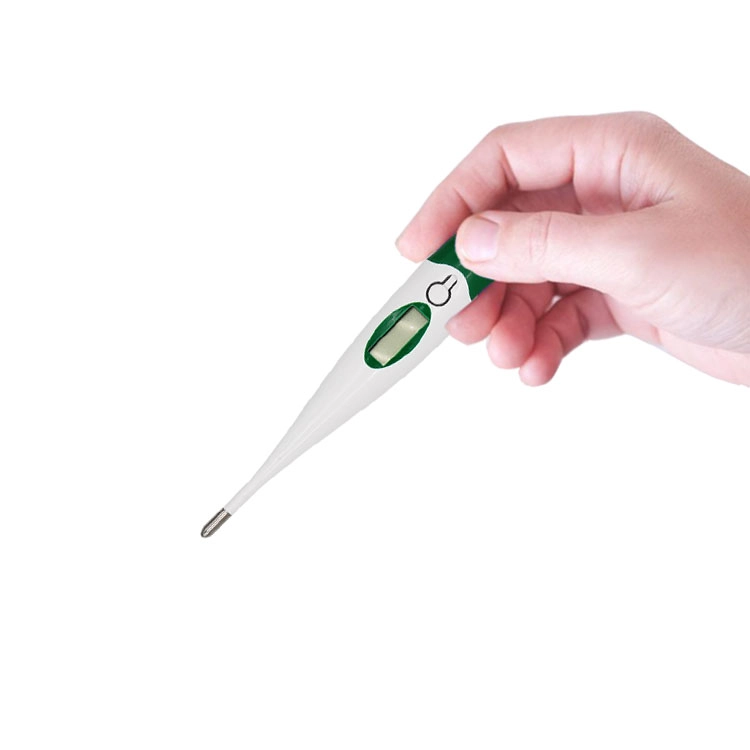
Is There a More “Trend-Based” Way to Observe Temperature?
In home care settings, some auxiliary temperature observation methods are used to reduce the need for repeated measurements. The idea is not to replace thermometers, but to help observe general temperature trends over time.
These methods typically involve continuous skin-level observation, helping caregivers understand whether body temperature is increasing, stabilizing, or decreasing, without requiring repeated manual checks.
This makes them more suitable for “trend observation” rather than precise point-in-time measurement.
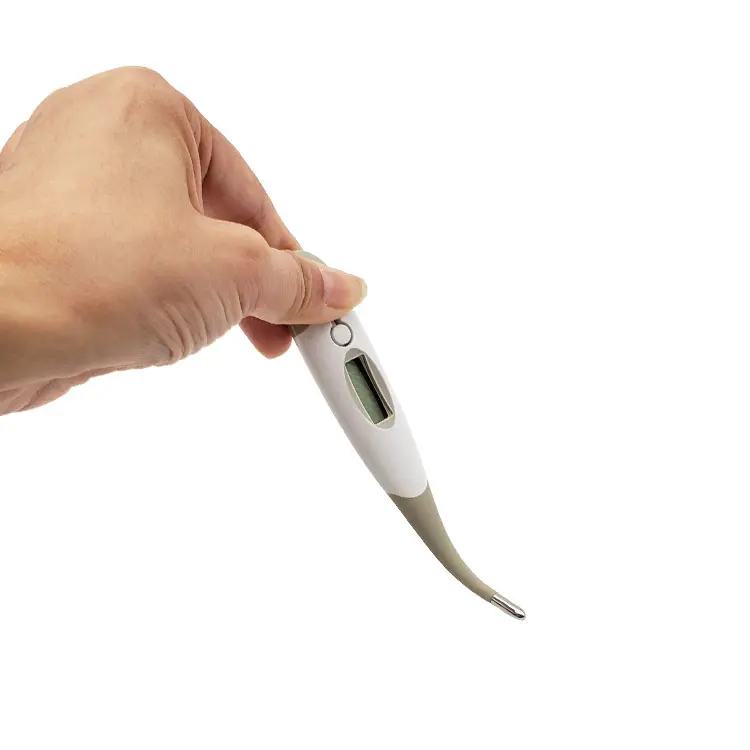
Common Scenarios in Home Care
Trend-based temperature observation methods are often used in situations such as:
- Nighttime fever monitoring for children
- Recovery phase of colds or infections
- Basic health monitoring during travel
- Reducing sleep disturbance during home care
- Situations where frequent thermometer use is inconvenient
In these cases, the main value lies in reducing intervention frequency and improving continuity of observation.
Difference Between Thermometers and Trend Observation Tools
A traditional thermometer provides an exact temperature at a specific moment, while auxiliary observation methods focus more on changes over time.
For example, whether the temperature appears to be rising, remaining stable, or gradually decreasing.
These two approaches are not replacements for each other but are often used together. In practice, caregivers may first observe general trends and then use a thermometer when a more precise reading is needed.
Can Auxiliary Observation Be Used Alone?
No. It should not be relied on as a sole method of temperature assessment.
It is intended only as a supportive tool. When any of the following situations occur, a proper thermometer or medical consultation is necessary:
- Persistent high fever
- Noticeable worsening of symptoms
- Recurrent fever in infants or young children
- Abnormal breathing or other concerning symptoms
Its role is to provide early awareness of changes, not to replace medical-grade measurement.
FAQ
Q1: Is it necessary to check temperature frequently during nighttime fever?
Not always. If fever is already confirmed, it is often more important to observe overall trends and general condition rather than repeatedly measuring exact values.
Q2: How can you tell whether a fever is rising or going down?
It is usually assessed through a combination of skin warmth changes, sweating patterns, and overall physical condition, but confirmation should still rely on a thermometer.
Q3: Should children be woken up at night to check temperature?
In most cases, frequent waking is not recommended. If the condition is stable, observation without disturbance is generally preferred.
Q4: What are the most important indicators during home fever care?
Besides temperature itself, overall behavior, alertness, appetite, and activity level are important indicators.
Q5: When is a thermometer absolutely necessary?
When fever persists, symptoms worsen, or medical evaluation is required, a thermometer should be used for accurate measurement.
Conclusion
The main challenge in nighttime fever care is not the lack of tools, but how to monitor changes without disturbing rest.
In home care situations, combining trend observation with occasional accurate measurement provides a more balanced approach, helping caregivers respond earlier while maintaining comfort and rest quality.
Latest News